For photographers and videographers, the relationship with equipment extends far beyond simple ownership. These tools represent not just a financial commitment, but the very foundation of creative expression and professional livelihood. Yet despite understanding the value of cameras, lenses, and accessories, many practitioners overlook a critical safeguard until disaster strikes. Camera insurance might seem like an unnecessary expense when everything functions smoothly, but its true worth reveals itself in those unexpected moments when protection transitions from abstract concept to urgent necessity.
Understanding your camera insurance cover: when protection becomes essential
The True Value of Your Photography Kit Beyond the Price Tag
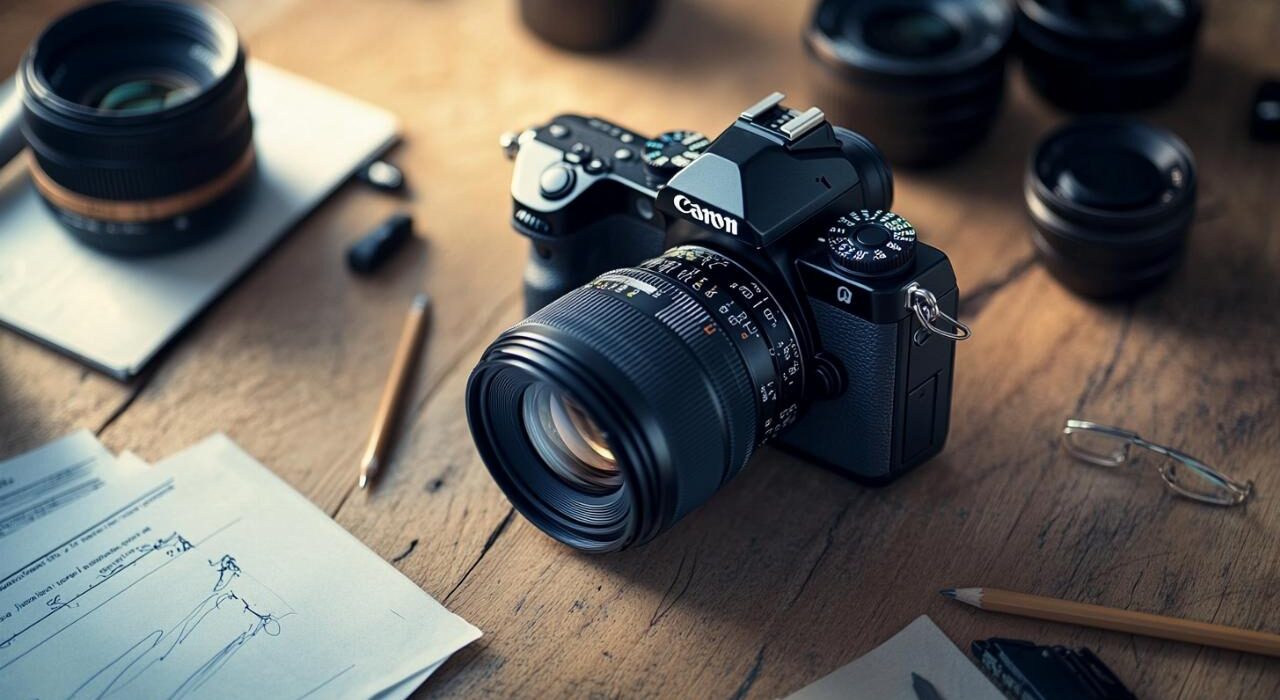
When assessing the worth of photography equipment, the retail price represents merely one dimension of value. A Canon EOS 5D Mark IV DSLR camera body might command around two thousand seven hundred pounds at purchase, yet this figure fails to capture the accumulated knowledge required to master such a device, the client relationships built through its use, or the professional reputation staked upon reliable gear. Photography insurance acknowledges this broader context, offering coverage that extends beyond simple replacement cost calculations. The equipment serves as a gateway to professional opportunities, and its loss can cascade into missed bookings, damaged client relationships, and interrupted income streams that far exceed the hardware's sticker price.
Comprehensive policies typically address multiple risk categories that photographers face daily. Theft protection forms the most obvious component, safeguarding against the financial devastation of having equipment stolen whether from a studio, vehicle, or location shoot. Accidental damage coverage proves equally vital, addressing those heart-stopping moments when a lens slips from your grasp or a camera tumbles from a tripod. Many policies extend worldwide cover, recognising that compelling imagery often requires venturing beyond familiar territory into environments where risks multiply. This global protection ensures that whether shooting in Naples or navigating assignments abroad, your professional tools remain financially protected against the unpredictable.
Common scenarios where insurance saves your business
The circumstances that transform insurance from theoretical protection into practical salvation arrive with alarming variety. Consider the photographer loading equipment into a vehicle after an evening event, only to discover the next morning that thieves have emptied the boot during the night. Without adequate coverage, the loss could force suspension of upcoming assignments whilst scrambling to replace essential gear. Insurance coverage converts this potential business catastrophe into a manageable inconvenience, with claims processes designed to restore operational capability swiftly.
Accidental damage scenarios present equally compelling cases for protection. A sudden downpour during an outdoor shoot, an unexpected collision whilst navigating crowded venues, or simply the fatigue-induced fumble after a long day can all result in equipment requiring costly repairs or complete replacement. Renters insurance might offer some protection for camera gear, though such policies frequently impose limits on coverage amounts and typically exclude accidental damage or commercial use scenarios. Professional photographers relying on their equipment for business purposes often require a business owner's policy that acknowledges the commercial nature of their work, ensuring that coverage remains valid regardless of whether the damaged camera was being used for personal enjoyment or paid assignments.
Navigating the Claims Process: From Incident to Replacement
What documentation you'll need when filing a claim
When misfortune strikes and a claim becomes necessary, proper documentation transforms the process from potentially contentious negotiation into straightforward resolution. Proof of ownership stands as the foundational requirement, though the acceptable forms of evidence extend beyond simple receipts. Photographs of equipment, serial number records, credit card statements, insurance appraisals, and even testimony from witnesses who can verify ownership all serve as valid documentation. This flexibility proves particularly valuable for photographers who have accumulated gear over extended periods, potentially losing original purchase receipts whilst retaining alternative forms of evidence.
For claims involving criminal activity, particularly theft, filing a police report becomes non-negotiable. This official documentation serves dual purposes, creating a formal record of the incident whilst also satisfying insurance requirements that help prevent fraudulent claims. The police report establishes the factual basis of the loss, providing insurers with independent verification that an incident occurred. Beyond these essentials, maintaining detailed equipment inventories with photographs, serial numbers, and valuation estimates significantly streamlines the claims process, allowing adjusters to assess losses quickly without extensive back-and-forth correspondence that delays resolution.
Timelines and Expectations During the Assessment Period
Understanding the rhythm of claims assessment helps manage expectations during what inevitably proves a stressful period. The deductible represents the portion of any claim that policyholders must pay before insurance coverage activates, functioning as a threshold that separates minor inconveniences from genuinely significant losses. This structure means that for relatively modest damage or loss falling below the deductible amount, the financial responsibility remains entirely with the equipment owner. Once claims exceed this threshold, insurers evaluate the circumstances against policy terms, a process that can extend across days or weeks depending on claim complexity.
Each claim carries unique characteristics that influence assessment duration and outcome. Coverage hinges not on what the policy explicitly includes, but rather on what it specifically excludes, making careful review of policy exclusions essential before assuming protection exists. Interestingly, policyholders retain the right to withdraw claims even after initial reporting, a provision that proves useful when preliminary damage assessments reveal repair costs falling below deductible thresholds or when alternative resolution paths emerge. The claims process, whilst sometimes lengthy, ultimately aims to restore photographers to operational status, with many insurers offering expedited pathways for professionals whose livelihoods depend on swift equipment replacement.
Maximising your camera insurance policy: smart strategies for professionals
Regular equipment valuations and policy updates
Photography equipment collections rarely remain static, instead evolving as professionals upgrade bodies, expand lens selections, and incorporate new technologies into their workflows. This natural progression creates a critical obligation to maintain insurance policies that accurately reflect current equipment values. Regular valuations ensure that coverage limits align with actual replacement costs, preventing situations where significant losses reveal inadequate protection. The distinction between replacement cost and actual cash value proves particularly important, with the former covering new equipment purchases whilst the latter accounts for depreciation, potentially leaving gaps between insurance payouts and actual replacement expenses.
When evaluating insurance options, examining where coverage applies becomes essential. Some policies restrict protection to specific locations, whilst others extend coverage regardless of where equipment travels. For photographers who frequently work on location or travel internationally for assignments, worldwide coverage eliminates geographical restrictions that could otherwise leave equipment vulnerable during precisely those moments when risks intensify. Extended coverage options, such as those eliminating deductibles for specific claim types or increasing coverage limits for items removed from primary locations, offer tailored protection matching individual risk profiles and working patterns.
Understanding Exclusions and How to Avoid Coverage Gaps
The architecture of insurance protection reveals itself most clearly through exclusions, those specific circumstances under which coverage does not apply. Standard policies typically exclude intentional damage, an obvious restriction preventing fraudulent claims, yet other exclusions prove less intuitive. Commercial use restrictions frequently appear in personal property policies, creating potential coverage gaps for photographers who occasionally accept paid assignments whilst maintaining primarily amateur status. Business owner's policies address this gap, explicitly covering equipment used for commercial purposes and ensuring that professional activities don't inadvertently void protection.
Accidental damage coverage varies significantly between policy types, with renters insurance often excluding such protection whilst specialist camera insurance or extended warranty programmes embrace it. Understanding these distinctions prevents unpleasant surprises when filing claims, ensuring that the protection you assume exists actually applies to likely loss scenarios. Some programmes, including certain extended warranty options, eliminate requirements for receipts, product registration, or deductibles, streamlining both purchase and claims processes. By carefully comparing policy terms, identifying potential exclusions, and selecting coverage that matches actual usage patterns and risk exposures, photographers transform insurance from generic protection into precisely calibrated safeguard against the specific threats their valuable equipment faces daily.