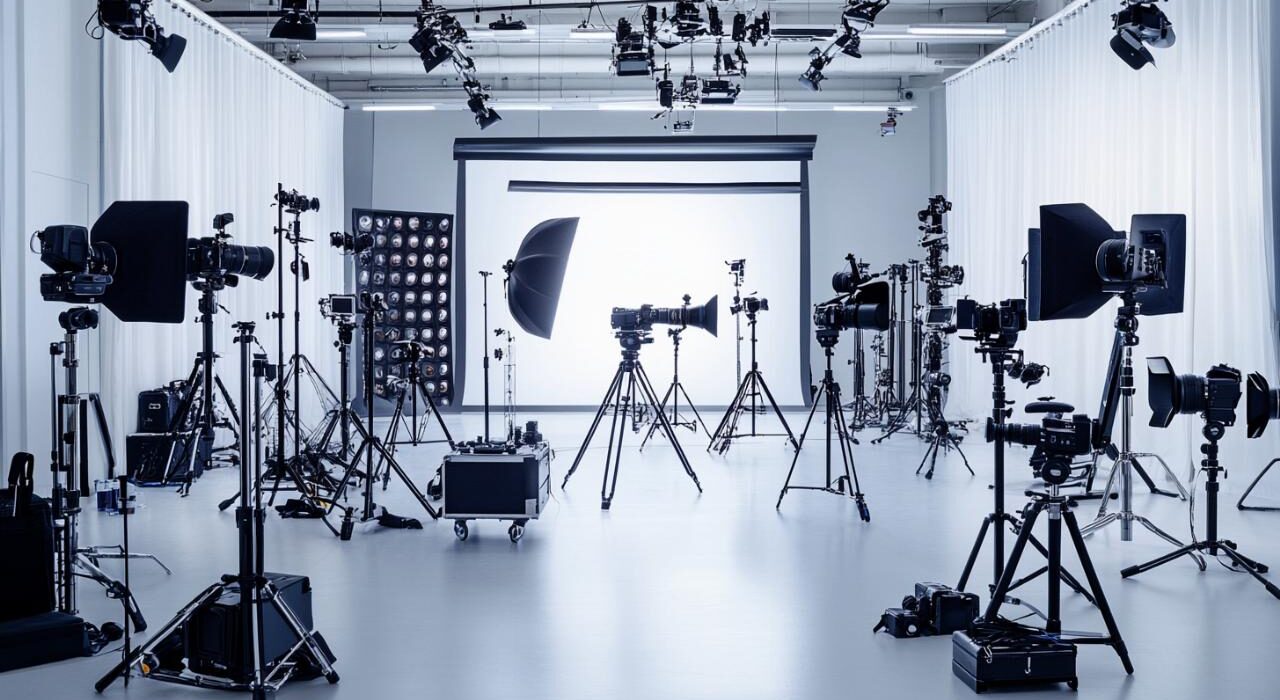
Photography has evolved into a remarkably accessible art form, with equipment options catering to every level of expertise and creative vision. Whether you're documenting your travels, capturing the majesty of natural landscapes, or simply exploring a new hobby, the sheer variety of available kit can feel overwhelming. The key lies not in accumulating the most expensive gear, but in selecting versatile tools that adapt to multiple scenarios and grow alongside your developing skills. Modern photographers benefit from innovations that make high-quality imaging more portable and affordable than ever before, opening doors to creative expression that were once limited to professionals with substantial budgets.
Understanding Different Types of Photography Kit for Various Shooting Scenarios
The foundation of any photography pursuit begins with understanding how different equipment serves distinct purposes. While some photographers chase specialized kit for niche applications, the most rewarding approach often involves selecting versatile pieces that perform admirably across varied conditions. This philosophy proves particularly valuable when you're still discovering which photographic genres resonate most with your creative instincts. Travel photographers, for instance, require lightweight solutions that don't compromise on image quality, whilst landscape enthusiasts prioritize weather resistance and exceptional sharpness. Studio work demands reliable lighting control, yet many contemporary photographers find themselves shooting in both controlled environments and unpredictable outdoor settings during the same week. The ability to transition seamlessly between these contexts defines truly adaptable photography equipment.
Essential Camera Bodies and Lens Systems for Multi-Purpose Photography
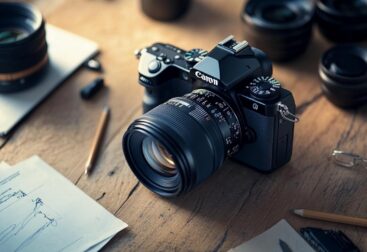
Camera bodies represent the most significant investment in your photography journey, and selecting the right system requires careful consideration of your shooting habits. Mirrorless cameras have largely supplanted traditional DSLRs for most applications, offering compact designs without sacrificing capability. The Sony α1 II stands out as a top-tier option with its fast autofocus system, fifty-point-one megapixel sensor, and eight-kay video recording capabilities, all housed in a body with a flippy screen that facilitates creative angles. For those seeking exceptional low-light performance, the Sony α7R V incorporates artificial intelligence-driven autofocus that tracks subjects with remarkable accuracy. Canon's R6 Mark 2 has earned recognition as an outstanding all-rounder travel camera, balancing image quality with portability in a way that appeals to photographers who refuse to compromise. The Agfa Photo range offers budget-conscious alternatives, including refurbished options that deliver solid performance for beginners exploring their first serious camera system.
Lens selection matters just as much as the camera body itself, as glass quality directly impacts the sharpness and character of your images. Zoom lenses provide flexibility that suits photographers working across multiple scenarios, with options like the Sony twenty-four to seventy millimetre f/2.8 G Master II covering the most frequently used focal lengths in a single package. This versatility proves invaluable when you're moving between tight urban environments and expansive natural vistas without time to swap lenses. The Canon RF twenty-four to one-hundred-and-five millimetre f/4 USM similarly covers a broad range whilst maintaining reasonable weight and size. For wildlife and sports photography, telephoto compression becomes essential, with lenses such as the Sony one-hundred to four-hundred millimetre f/4.5-5.6 G Master or the Tamron one-fifty to six-hundred millimetre f/5-6.3 offering reach that brings distant subjects into frame. Prime lenses occupy a different niche, trading zoom convenience for superior optical quality and wider apertures that excel in low light. The Sony sixteen millimetre f/1.8 G shines for astrophotography, capturing star-filled skies with minimal distortion, whilst the Sony fifty millimetre f/1.2 G Master delivers the sharpness and shallow depth of field that portrait photographers crave.
Lighting equipment that works across studio and location settings
Lighting control separates competent photographers from truly skilled image-makers, yet many enthusiasts overlook portable lighting solutions that work beyond studio environments. Speedlights offer an accessible entry point, with certain models available for under two hundred pounds whilst providing sufficient power for most applications. These compact flash units attach directly to your camera's hot shoe, adding versatility for indoor events or supplementing natural light in challenging conditions. The advantage lies in their portability, as you can toss one into your camera bag without significantly increasing weight or bulk. More advanced photographers often carry multiple speedlights, using them off-camera with wireless triggers to create sophisticated lighting setups in the field. This approach transforms ordinary scenes into professionally lit compositions without requiring mains power or bulky studio strobes.
Reflectors represent the most budget-friendly lighting modifier, with basic options available online for under ten pounds. These simple tools bounce existing light onto your subject, filling shadows and creating more balanced exposures without introducing artificial light sources. Their collapsible designs make them practical for location work, folding down to fit into side pockets of camera bags. More sophisticated lighting setups might include continuous LED panels that allow you to preview exactly how light falls on your subject, a significant advantage over flash systems that require test shots and adjustments. Ring lights have become particularly popular for video work and close-up photography, providing even illumination that minimizes harsh shadows. The key to building a versatile lighting kit lies in acquiring modular pieces that combine in various configurations, allowing you to adapt your setup to each unique shooting scenario rather than relying on a single rigid approach.
Selecting adaptable gear that grows with your photography journey
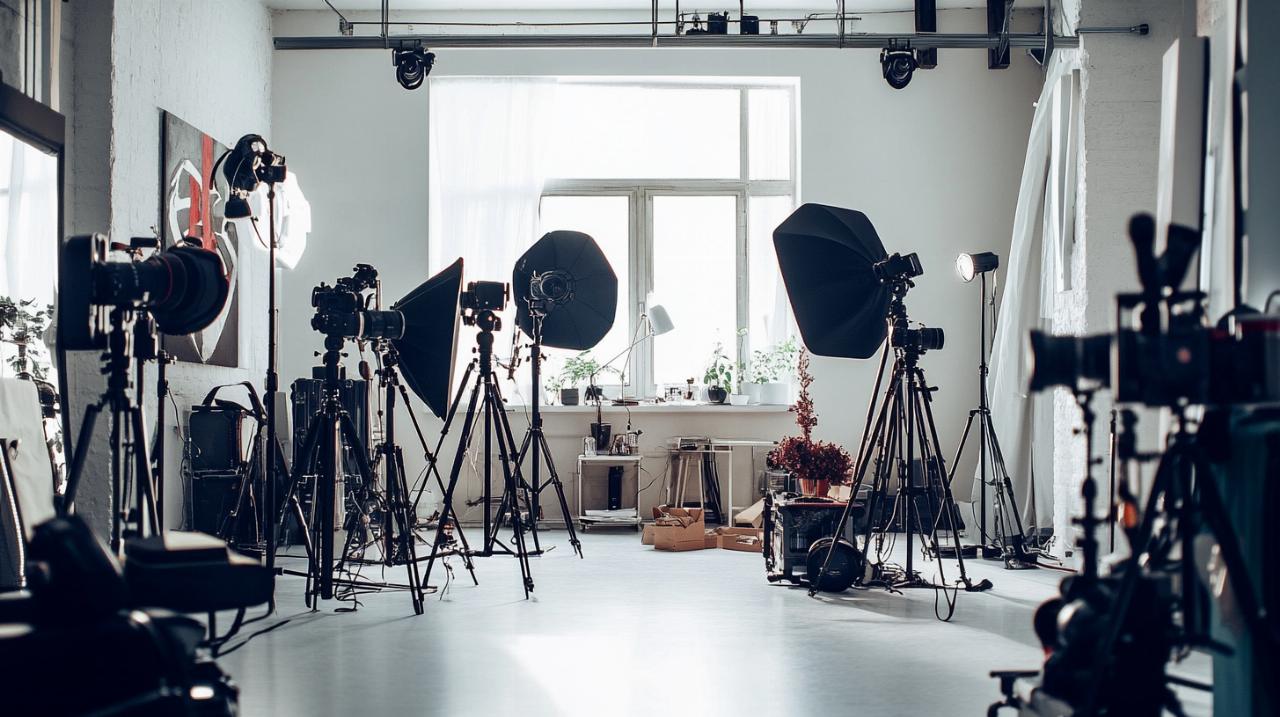
Photography equipment represents a substantial investment, making it essential to choose pieces that remain relevant as your skills develop. The temptation to purchase specialized kit for specific scenarios often leads to collections filled with items that see occasional use, draining budgets without proportional returns. A more strategic approach involves identifying versatile foundations that serve multiple purposes whilst remaining expandable through compatible accessories. This philosophy proves particularly valuable for beginners who haven't yet discovered their preferred photographic style, as it prevents premature commitment to equipment that might not align with their ultimate creative direction. Even experienced photographers benefit from this mindset, as it encourages thoughtful purchasing decisions based on genuine needs rather than the latest marketing hype surrounding new releases.
Investing in Modular Accessories and Expandable Systems
Tripods exemplify the importance of quality in accessories that support your primary equipment. Whilst inexpensive models might seem attractive initially, they often prove frustrating in practical use, with inadequate stability and components that fail after limited exposure to field conditions. The Colorado Tripod Company Centennial Two-Series Carbon Fiber Tripod offers everyday reliability with a one-hundred pound load capacity, ensuring it accommodates even heavy telephoto lenses without vibration concerns. Carbon fiber construction reduces weight compared to aluminium alternatives, a consideration that matters considerably when hiking to remote locations. Tripod heads deserve equal attention, with options ranging from pan and tilt designs that offer precise control to ball heads that facilitate rapid adjustments. The choice between these styles depends largely on your shooting approach, with landscape photographers often preferring the deliberate nature of geared heads whilst wildlife photographers value the quick repositioning that ball heads provide.
Filters protect your lenses whilst modifying light in ways that digital editing cannot fully replicate. The B+W Master Clear MRC nano zero-zero-seven M Filter provides thin lens protection without introducing color casts, safeguarding expensive glass from scratches and impacts. Step-up rings allow you to use the same filter size across multiple lenses, a cost-saving approach that proves particularly valuable when investing in premium neutral density and polarizing filters. The Breakthrough Photography X4 Dark CPL six-stop filter combines neutral density reduction with polarization effects, reducing reflections whilst enabling longer exposures that smooth water and clouds. Memory cards represent another area where quality matters, as the Sony TOUGH one-sixty gigabyte CFexpress Type A Card offers reliability that justifies its premium over budget alternatives. Losing images to card failure teaches this lesson harshly, making it worth investing in reputable brands with proven track records. Capacity between thirty-two and sixty-four gigabytes suits most photographers starting out, though professionals working with high-resolution cameras and video often require substantially more storage.
Budget-Friendly Versatile Kit for Beginners and Enthusiasts Alike
Building a capable photography kit need not devastate your finances, particularly when you embrace refurbished equipment and strategic purchasing. Many beginners spend beyond their actual requirements, acquiring features they won't utilize for years whilst neglecting fundamentals that immediately impact image quality. A sensible starting budget sits around one thousand pounds or twelve hundred dollars for your first camera and lens combination, a price point that delivers substantial capability without overspending on professional features that beginners rarely exploit. DSLR cameras like the Canon EOS two-thousand D or Rebel T7 and Nikon D three-thousand five-hundred offer traditional optical viewfinders and proven reliability, though mirrorless alternatives from Sony, Fujifilm, Canon, and Nikon provide more compact designs with electronic viewfinders that display exposure previews. Both approaches deliver excellent results, with the choice depending largely on ergonomic preferences and whether you value seeing optical reality versus a processed preview of your final image.
Kit lenses covering eighteen to forty-five millimetres provide versatile starting points for everyday photography, handling everything from group portraits to moderate landscapes. Adding a fifty millimetre f/1.8 prime lens expands your capabilities into portrait work and low-light situations, with these affordable optics delivering sharpness that rivals much more expensive alternatives. A telephoto zoom in the seventy to three-hundred millimetre range completes a foundational lens collection, bringing distant subjects into frame for wildlife and sports applications. Camera bags protect your investment whilst keeping equipment organized, with options ranging from rucksacks that distribute weight comfortably to shoulder bags that facilitate rapid access. The Sandmarc Travel Backpack earns particular praise for balancing protection with practical features, whilst the Peak Design system offers modular components including the Capture Clip that secures your camera to backpack straps for immediate availability. Essential accessories include cleaning kits with lens solution, microfiber cloths, and air blowers, costing between five and thirty pounds depending on comprehensiveness. Spare batteries prevent missed opportunities when power runs low, whilst portable hard drives or solid-state drives safeguard your images through redundant backups. Cloud storage subscriptions starting from a few pounds monthly provide off-site protection against equipment loss or failure, implementing the three-two-one backup method that professionals swear by.
Drones have democratized aerial photography, with the DJI Mini 4 Pro delivering remarkable image quality in a compact package that weighs less than regulatory thresholds in many jurisdictions. The DJI Mavic 4 Pro takes capabilities further with portrait orientation shooting and enhanced sensors, opening creative possibilities that were impossible without helicopter access just years ago. Action cameras like the GoPro Hero 13 capture perspectives that traditional cameras cannot, mounting to helmets, vehicles, and equipment for dynamic footage. Smartphones increasingly blur the line between dedicated cameras and mobile devices, with the iPhone sixteen Pro offering video capabilities that rival professional cinema cameras in certain applications. This convergence means that building a versatile photography kit now involves considering how different devices complement each other rather than seeking a single solution for every scenario. The most successful photographers embrace this ecosystem approach, selecting tools that integrate smoothly whilst covering the full spectrum of creative possibilities they wish to explore.